
The Rise of At-Home Genetic Tests: What You Need to Know


The Evolution of At-Home Genetic Testing
In recent years, at-home genetic testing kits have surged in popularity, providing consumers with unprecedented access to their genetic information. These tests, once confined to professional laboratories, are now easily accessible, offering insights ranging from ancestry to potential health risks.
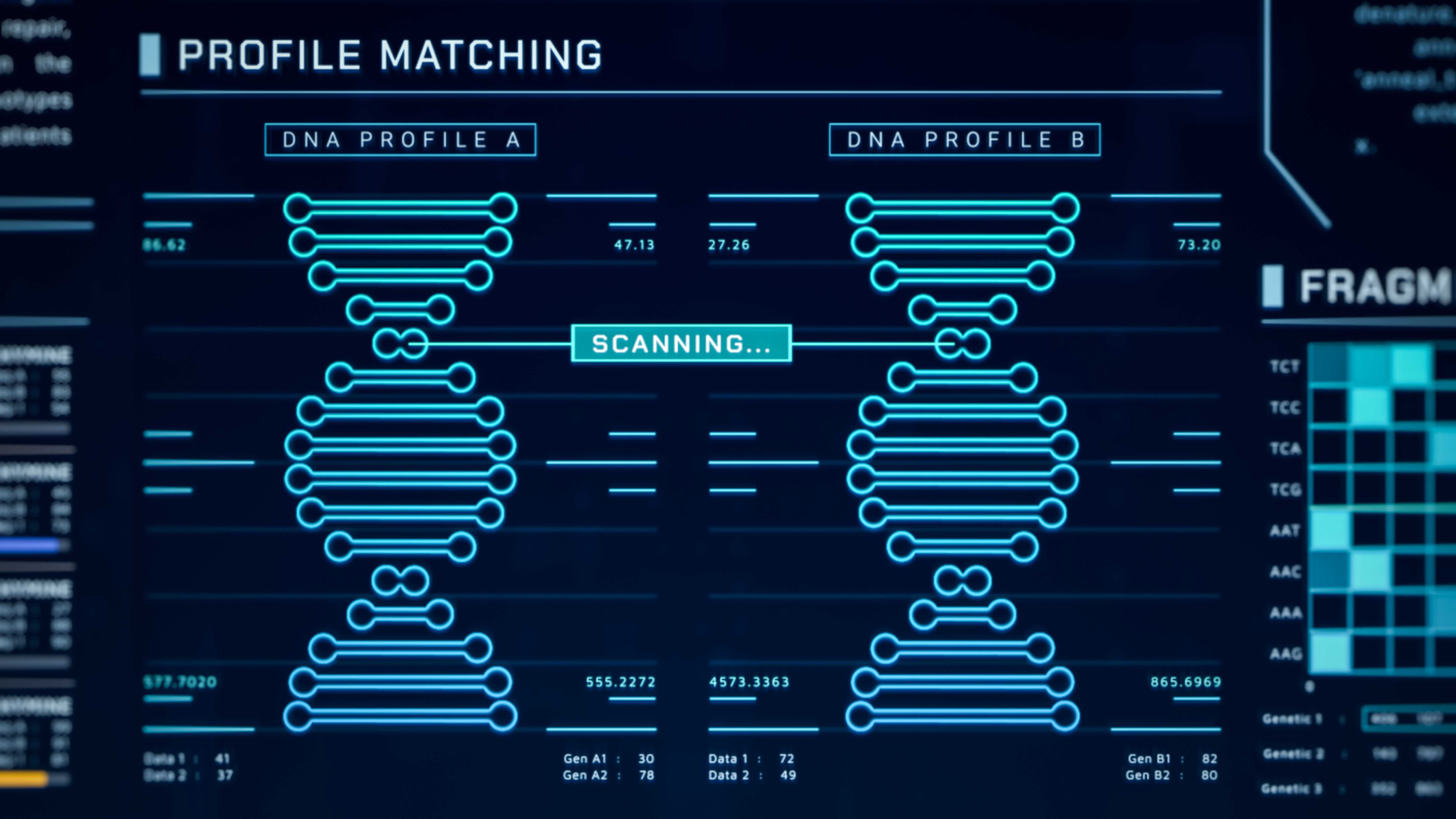
How At-Home Genetic Tests Work
Most at-home genetic tests require a simple saliva sample. This sample is then sent to a lab where DNA is extracted and analyzed. The results are typically shared with the consumer through an online portal, providing an overview of genetic markers and potential health implications.
The process is designed to be user-friendly, making it appealing to those interested in exploring their genetic makeup without the need for a medical degree.
Benefits of At-Home Genetic Testing
At-home genetic tests offer a range of benefits that have contributed to their growing popularity. Some of the key advantages include:
- Convenience: Testing can be done from the comfort of your home.
- Affordability: Prices have become more competitive, making these tests accessible to a wider audience.
- Personalized Insights: Users can gain insights into their ancestry, health risks, and more.

Potential Drawbacks and Considerations
Despite their benefits, there are important considerations to keep in mind. Privacy concerns are at the forefront, as personal genetic information could potentially be accessed by third parties. Additionally, the interpretation of results can sometimes lead to unnecessary anxiety or misunderstandings without professional guidance.
It is crucial for consumers to choose reputable companies with transparent privacy policies and to consider consulting with healthcare professionals to fully understand the implications of their results.
The Impact on Healthcare
At-home genetic tests are influencing the healthcare landscape by encouraging proactive health management. They empower individuals to make informed decisions about their lifestyle and health, potentially catching issues before they develop into serious conditions.

However, it is important to recognize that these tests are not diagnostic tools. They can indicate potential risks, but a healthcare provider should always be consulted for a comprehensive assessment.
The Future of Genetic Testing
The future of at-home genetic testing looks promising, with advancements in technology likely to enhance the accuracy and scope of these tests. As more people become comfortable with accessing their genetic information, the demand for personalized healthcare solutions is expected to grow.
Overall, while at-home genetic tests offer exciting possibilities, they should be approached with careful consideration and an understanding of their limitations.